
South Carolina Paperwork for Newcomers: Taxes, Homestead, Cars, and Boats
New state, new paperwork rhythm. Here's the plain-English tour of assessments, homestead, vehicle registration, and boat titles — and where to confirm the details.
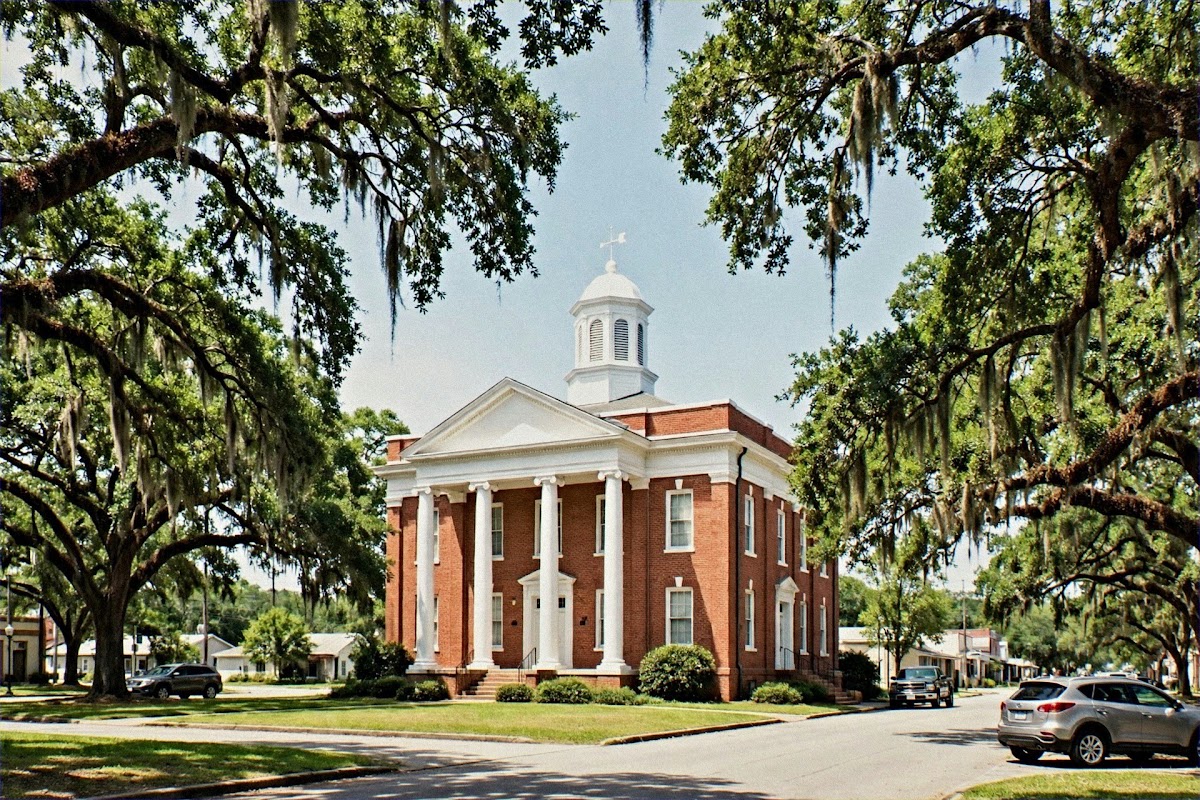
Welcome to South Carolina. The Paperwork Is Different Here.
If you moved to Fripp Island from another state, some of your first official mail is going to look unfamiliar. South Carolina handles property taxes, vehicle taxes, and boat registration in its own particular way, and newcomers from states that do it differently often get tripped up not by anything hard, but by things nobody explained.
Consider this your porch-side explanation. We'll walk through the big pieces at the level a friendly neighbor can state with confidence: how home assessments work, what the homestead exemption is, why your car comes with a county tax rhythm, and where boats get registered. For the specifics of your situation — forms, current amounts, timing, and eligibility calls — we'll point you to Beaufort County and SCDNR, the offices whose answers count. Confirm the details with them, because your exact circumstances are what matter.
The Famous 4% vs. 6%: Your Home's Assessment Ratio
Here's the South Carolina concept every newcomer needs first. Property isn't all taxed the same way. A home that is your primary, legal residence is assessed at a lower ratio — 4% — while other property is assessed at a higher ratio, 6%. That ratio is applied to your property's value as part of calculating the tax, so the difference between the two ratios is real money, year after year.
For a new Fripp owner, the practical lesson is simple: if this island home is truly your primary residence, you want your property classified that way, and that classification isn't something to assume happened automatically at closing. There is an application process through Beaufort County for legal-residence status, and confirming that your home is properly classified at the 4% ratio is one of the highest-value errands of your first season here.
How to apply, what documentation the county needs, and how your particular situation — a recent move, a home held in a trust, a spouse's name on paperwork — affects the process are all questions for Beaufort County's assessor and tax offices. Ask early, get your classification confirmed in writing, and then enjoy the quiet satisfaction of a newcomer who got the big thing right.
The Homestead Exemption: A Thank-You to 65-Plus Owners
South Carolina also offers a homestead exemption — a break on property taxes for qualifying homeowners. At the level it's safe to state here: the exemption exists for homeowners who are 65 or older, and for certain disabled homeowners, and it reduces the taxable value of a primary residence.
If you or your spouse might qualify, this belongs on your first-year checklist right beside the 4% classification. Eligibility details, how the exemption applies, and how to apply are Beaufort County questions — the county administers it, and its offices can tell you exactly what your household qualifies for and what to file. Don't self-diagnose eligibility in either direction. Plenty of people assume they don't qualify and leave a benefit sitting on the table; a short conversation with the county settles it properly.
Think of the 4% ratio and the homestead exemption as a pair: the two classification conversations every new South Carolina homeowner should have with Beaufort County, ideally once, properly, at the very beginning of island life.
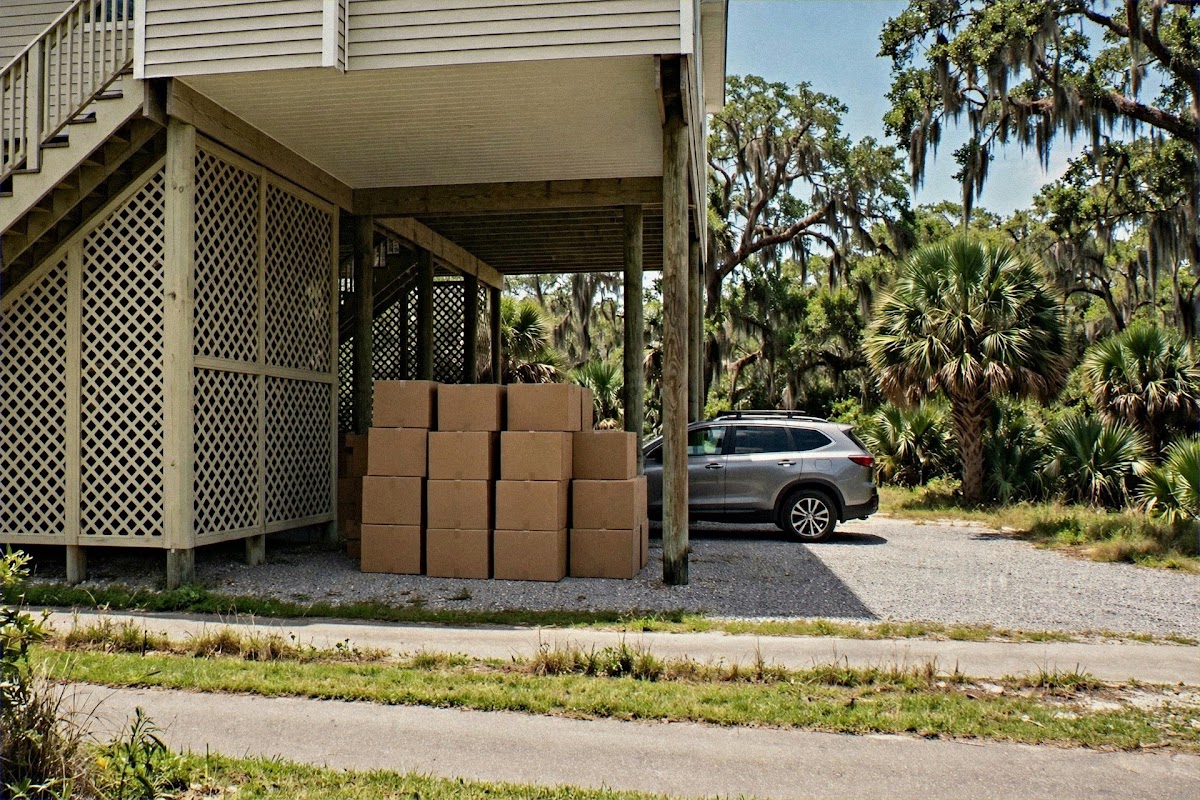
Cars: State Registration, County Property Tax
Now for the surprise that catches almost every out-of-state mover: in South Carolina, vehicles are taxed as property by the county. If you're used to a state where you pay a registration fee and you're done, adjust your mental model. Here, the rhythm is a partnership — vehicles are registered with the state, and the county property tax on the vehicle is part of keeping that registration current.
In practice, newcomers need to handle both sides after a move: getting vehicles properly registered in South Carolina, and getting into the county's vehicle tax rhythm so renewals roll smoothly instead of arriving as surprises. The sequence matters, the county tax side is handled through Beaufort County, and the registration side runs through the state's motor vehicle channels. Which office you visit first, what to bring from your old state, and how timing works after a move are details to confirm with Beaufort County and the state — bring your questions and your closing paperwork, and let them walk you through your exact case.
Once you're set up, it becomes an annual rhythm like everywhere else, just with a county tax step in the dance. Island tip: put renewals on your calendar the moment they arrive in the mail. Life on Fripp runs on beach time; paperwork, sadly, does not.

Boats: SCDNR Is Your Office
Bringing a boat to Fripp — or buying one now that you live a cart ride from the water — comes with its own paperwork home: SCDNR, the South Carolina Department of Natural Resources. Boats are registered and titled through SCDNR, and that's the office for the requirements that apply to your vessel.
What your particular boat needs can depend on its type, size, and how it's powered, and on whether you're transferring an out-of-state registration or starting fresh with a new purchase. Confirm the current requirements, forms, and process directly with SCDNR before you assume a Lowcountry launch is all paperwork-complete. It's a friendly errand as these things go — an office full of people who deal with boaters all day — and getting it right up front means your first seasons on the creeks are spent watching tides, not chasing documents.
And a small island note: Fripp Island Marina is small and quiet, so many owners also think through where the boat will live — marina, trailer, or storage — alongside the registration. Paperwork and practicality, settled together, make for a calm first boating season.
The Newcomer's Paperwork Game Plan
Feeling organized? Here's the whole article as a checklist to pin inside a kitchen cabinet. One: confirm your home's legal-residence classification with Beaufort County so the 4% ratio applies if this is your primary home. Two: ask Beaufort County about the homestead exemption if anyone in the household is 65 or older or may qualify as a disabled homeowner. Three: get vehicles registered with the state and into Beaufort County's vehicle property-tax rhythm, and calendar the renewals. Four: register and title any boat through SCDNR, confirming the requirements for your specific vessel.
Notice what every item has in common: a real office, with real people, whose current guidance beats any article — including this one. Rules, forms, and amounts change, and your situation has its own wrinkles, so treat this guide as the map and Beaufort County and SCDNR as the territory. Go early in your first season, while "we just moved" still opens every door and explains every question.
Then come home across the bridge, pour something cold, and watch the deer inspect your yard. The paperwork is done. The island life you moved here for is officially, fully, properly yours. That's the Fripp Life paperwork promise: a few good errands up front, and smooth sailing — sometimes literally — from there.
LIVE THE LIFE!

Get a FREE Fripp Life sticker!
Enter your email to claim your sticker and sign up for island news, events, and discounts.