
Bringing a Boat to Fripp Island
The beach is only half the island. The other half is creeks, marsh, and tide — and your boat is the key to all of it.

Fripp From the Water Is a Whole New Island
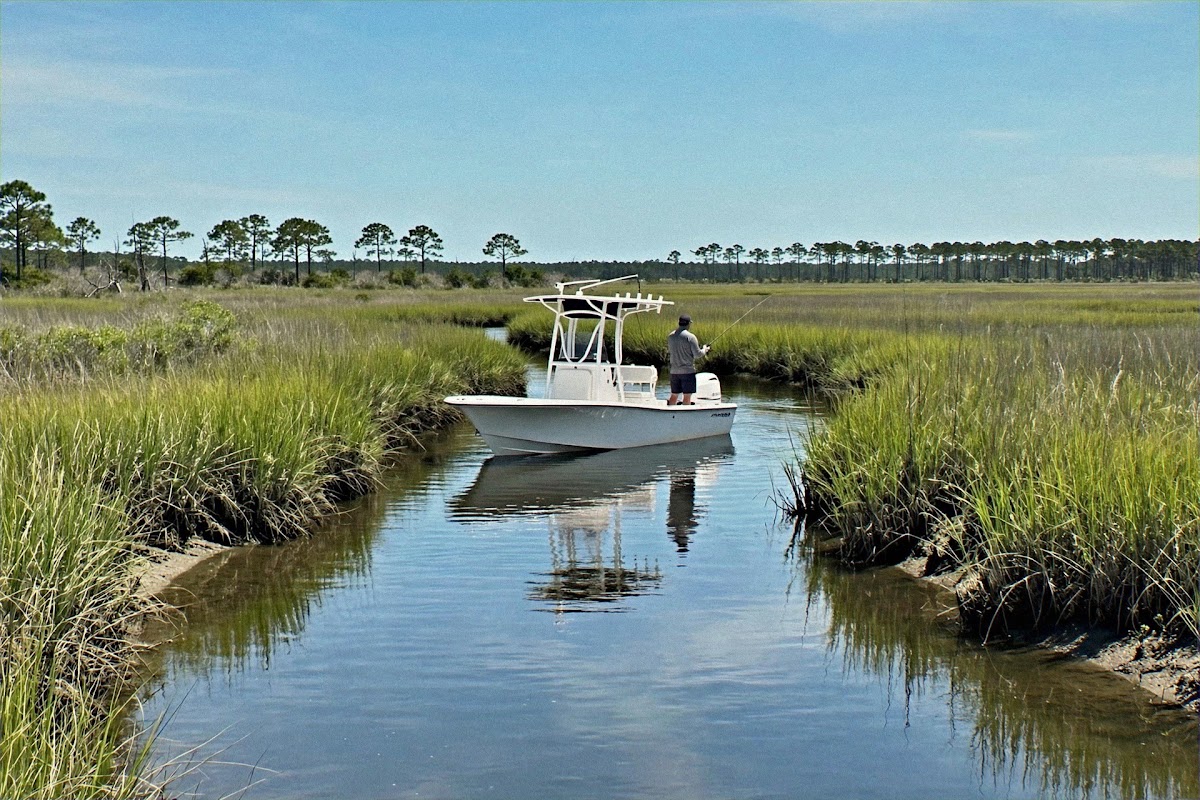
From your porch, Fripp Island is beach, fairways, and deer grazing like they own the place. From the water, it is something else entirely: winding creeks, wide marsh, shifting channels, and a coastline that rearranges itself with every tide.
If you brought a boat with you — or one followed you home shortly after closing, which happens more than anyone admits — congratulations. You now own the best seat in the Lowcountry. You also own a new set of logistics. Boat ownership on a small, gated, tidal island is wonderfully doable. It just runs on local knowledge, not mainland habits.
This is not a fishing guide. This is the practical, owner-side walk-through: where the boat lives, how you get it in the water, and why the tide chart becomes your new favorite reading material.
Start With the Paperwork
Before the first launch, get the paperwork circle squared away. In South Carolina, boats are registered and titled through SCDNR — the South Carolina Department of Natural Resources. That is where boat registration and titling live, and SCDNR is the source of truth for what your boat needs, how to transfer or register it after a move, and what documentation to keep aboard.
Do not guess at this part or copy what worked in your last state. Rules differ, and a move is exactly when details get missed. Work through SCDNR's official channels, confirm your registration and title are current for South Carolina, and keep copies somewhere sensible at home and on the boat.
While you are in paperwork mode, ask SCDNR channels about current boating requirements that apply to you and your boat. It is a short, grown-up errand that makes every fun day afterward simpler.
The Island Marina: Small and Quiet, On Purpose
Fripp Island Marina is small and quiet — and newcomers should hear both words clearly. This is not a sprawling mainland marina with endless rows of slips and a party deck. It is an island marina, scaled to an island, with a calm that boaters here genuinely love.
What that means for you as a new owner is simple: learn what the marina offers and how it works directly from the marina, rather than assuming availability, services, or arrangements. Slip availability, storage arrangements, fuel, access, and day-to-day procedures are all marina-specific details that change with demand and season. Ask the marina itself for the current picture, and ask early — small and quiet also means space is finite, and the time to have the conversation is before your boat is sitting on a trailer in your driveway with nowhere planned to go.
Even if your boat ultimately lives elsewhere, get to know the marina — it is part of the island's water life and a good stop for current local guidance.
Tide Literacy Is the Real Boating License Here
Every boater says they respect the tide. Lowcountry boaters mean it differently.
Around Fripp, big tidal swings reshape everything through the day — the beach, the creeks, and the water under your hull. Channels wind, sandbars shift, and a route that was generous at high water can be skinny, tricky, or simply not there a few hours later. Creeks that look like highways at one tide can show their mud at another.
So plan around tides. That is the whole headline. Check the tide before you plan the outing, not as you back down the ramp. Learn the water near Fripp in easy stages — short trips, good light, comfortable conditions — and build your mental map slowly. Talk to experienced island boaters, listen more than you talk, and treat every "watch out for that bar" as a gift. Local knowledge here is not trivia. It is how people have boated these creeks safely for generations.
Weather deserves the same respect. Check conditions through reliable marine sources before you go, tell someone on shore your plan, and be cheerfully willing to call it early. The marsh will be there tomorrow.
Launching From Beyond the Bridge
Not every Fripp boat launches on the island. Many owners use public launch ramps off-island, in the waters around Lady's Island, Beaufort, and the broader Sea Islands — a normal beyond-the-bridge rhythm, like the grocery run, just with a trailer.
If that becomes your routine, scout your ramp before the first big outing — parking, maneuvering room, crowds, and how the tide affects it. Confirm current ramp information, permits, and rules through the managing authority or Beaufort County and SCDNR channels, rather than an old forum post.
Trailering from Fripp means trailering through the gate and over the Fripp Inlet bridge from Hunting Island. Take it slow, and plan your return as carefully as your departure.

Where Does the Boat Live? Storage Realities
This is the question to answer honestly, early, and in writing — ideally before the boat arrives.
At a category level, island and near-island boat life usually comes down to a few options: a slip arrangement where available, dry storage through a marina facility, or trailer storage — the boat on its trailer, stored in an approved place, ready to launch when you are. Each has real trade-offs in cost, convenience, and how often you will actually use the boat. The easiest boat to use gets used. The boat that takes two hours of logistics to splash tends to become a very handsome lawn ornament.
On Fripp itself, remember that this is an owners' community with FIPOA standards for how properties look and what lives where. Whether a trailer can be kept at your home, and under what conditions, is a FIPOA and owner-materials question — check your FIPOA welcome packet and ask the FIPOA office for the current rule before you assume your driveway is the plan. Neighbors will appreciate it, and so will you when there is no awkward conversation later.
Off-island storage beyond the bridge is the other common path, with facilities in the Lady's Island and Beaufort direction offering trailer and dry-storage arrangements at a category level. Compare them in person, ask what access looks like on a busy weekend, and confirm current terms directly with any facility you consider.
Whichever path you choose, add a storm-season thought now, not later: where does the boat go when serious weather threatens? Having a haul-out and storage plan in mind long before you need one is part of responsible boat ownership on a barrier island.
Your First Season on the Water
Go slow — literally and figuratively. Learn one creek well before you try to learn them all. Keep your first trips short, in daylight, with an easy return. Learn how your boat handles, how the current moves at the places you frequent, and where the shallow surprises hide at lower water.
Keep safety gear in good order and start the float-plan habit early: someone on shore knows where you are headed and when you expect to be back.
Most of all, enjoy the revelation. Fripp from the water explains Fripp on land — the marsh, the inlet that shapes your beach, the creeks that carried people here long before the bridge. Your boat is tuition in the Lowcountry, paid in sunshine.
Welcome aboard, neighbor. Check the tide, wave at the dolphins, and we will see you out there.
LIVE THE LIFE!

Get a FREE Fripp Life sticker!
Enter your email to claim your sticker and sign up for island news, events, and discounts.