
Winter Wings Weekend
The summer birds get the postcards, but early December is when our marshes fill with winter visitors — ducks, shorebirds, white pelicans and more. A three-day, sunrise-to-sunset birding weekend around Fripp Island, December 4–6.
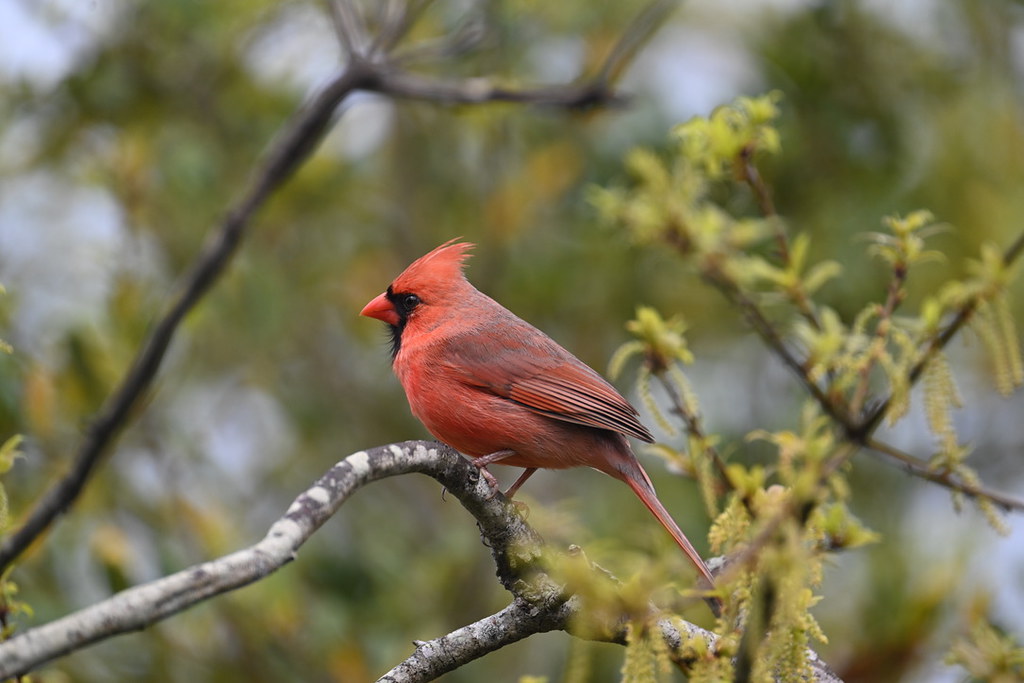
📸 stpeck70
Here's the local secret nobody puts on a brochure: the best birding around Fripp Island happens after the beach umbrellas go home. All fall, birds that spent the summer nesting up north — some as far away as the Canadian Arctic — work their way down the coast and settle into our creeks, marshes, and inlets for the winter. By the first weekend of December they're here in force, the light is low and golden, and you'll have the boardwalks practically to yourself.
Fripp Island takes this seriously. The island sits inside the Beaufort Barrier Islands Global Important Bird Area, and the Fripp Audubon Club has been studying and celebrating Lowcountry birds since 1978. So we built this weekend around the season they love most. Three days, Friday December 4 through Sunday December 6, moving from Hunting Island to Fripp's own marshes to Port Royal's Cypress Wetlands, with a sunrise and a sunset saved for the birds every single day.
Arriving right on schedule: the first bufflehead and hooded mergansers are settling onto the creeks and ponds, dunlin and sanderlings are working the flats in tight little flocks, American white pelicans are circling the inlet, and the marsh is full of clapper rails you'll hear long before you see them. December's cast, reporting for duty.
Three Spots That Never Miss in December
If you only bird three places all weekend, make it these — the spots every local birder checks first:
- The Marsh Boardwalk at dusk, Hunting Island. Rail hour — clapper rails calling from the cordgrass, sparrows tucked in the high marsh, and a sunset that stops conversations mid-sentence.
- The Fripp Inlet fishing pier. Loons and plunge-diving northern gannets over the open water, mergansers on the creek, and the whole tide-driven show moving past below you.
- Cypress Wetlands at roost time, Port Royal. Herons, egrets, and white ibis flight-lining in over a cypress swamp in the middle of town. December's quiet finale.
And if you bump into a Fripp Audubon Club member out there — you will; they've been birding these marshes since 1978 — say hello. Nobody reads this marsh like they do.
Friday, December 4 — Hunting Island: Creek, Lagoon & Marsh
Day one is the big state park day. Hunting Island is 5,000 acres of beach, maritime forest, and salt marsh five minutes from Fripp's gate, and its eBird hotspots earn their reputations in winter.
- Morning — Johnson Creek and the beach. Start where the creek meets the sand. Winter shorebird flocks work the flats and the waterline — dunlin, sanderlings, black-bellied plovers, willets — and American oystercatchers gather at the inlet through the winter. On the creek itself, look for the winter ducks: bufflehead, hooded mergansers, red-breasted mergansers, and scaup all show up in the park's cold-weather records. Bring a scope if you have one; the far sandbars reward it.
- Midday — the Lagoon and the Nature Center. The easy 1.4-mile Lagoon Trail winds through maritime forest along the saltwater lagoon — herons, egrets, and a belted kingfisher working the edges, with red-breasted mergansers possible out on the water. The Nature Center sits by the fishing pier at Fripp Inlet, which reaches far out into the inlet: a fine place to sit, watch the tide move birds around, and scan the open water for loons and plunge-diving northern gannets, both winter visitors to the South Carolina coast.
- Dusk — the Marsh Boardwalk. End the day on the Marsh Boardwalk Trail, a quarter-mile National Recreation Trail out over the salt marsh with a dock at the end built for sunsets. This is rail hour: listen for clapper rails calling from the cordgrass, and pick slowly through the high marsh — saltmarsh and Nelson's sparrows winter in South Carolina's coastal marshes, and this is exactly their habitat.

📸 stpeck70
Saturday, December 5 — Fripp Island Itself
Day two stays home. (Fripp is a gated island, so this is the day for residents, owners, and registered guests — if you're visiting from off-island, swap Saturday and Friday and spend today back at Hunting Island. You won't run out of birds.)
- Morning — the Audubon Trail and the lagoons. The island's own Audubon Trail and the quiet lagoon edges are the dawn round: resident great blue herons, snowy egrets, and white ibis heading out to feed, wood storks when they're around, and a bald eagle if the morning's kind. The island's winter songbirds are busy in the pines and thickets — clouds of yellow-rumped warblers, ruby-crowned kinglets, white-throated sparrows, and pine warblers all appear in the island's cold-season records.
- Midday — ponds and golf course edges. Check the still water for hooded mergansers — the island's records include them on its ponds — and scan every stump and snag for a kingfisher. This is also peak white pelican weather: American white pelicans winter along the South Carolina coast on shallow bays and estuaries, and a slow, circling flock over the inlet is one of December's great sights. Keep an eye on the sky.
- Dusk — the marsh side. Finish on Fripp's marsh overlooks as the light goes. Wading birds flight-line into their roosts, northern harriers quarter low over the cordgrass in winter, and the whole marsh goes gold, then purple. This is the hour that converts people into birders.
Sunday, December 6 — Beyond the Bridge: Cypress Wetlands
The weekend closes in Port Royal, twenty easy minutes away, at one of the most remarkable little bird sanctuaries in the Lowcountry — a working rookery in the middle of a town.
- Morning — Cypress Wetlands. A paved, boardwalked loop (about six-tenths of a mile) circles a series of ponds and a bald cypress swamp between Paris and Richmond Avenues. In fall and winter the largest wetland serves as a roosting site — herons and egrets coming and going, wood ducks, and hooded mergansers on the water. The town's own bird page promises large concentrations of white ibis, herons, and egrets year-round, plus raptors, shorebirds, and waterfowl; the wetlands' winter eBird records add gadwall, bufflehead, and blue-winged teal to the duck list.
- Midday — the Sands and the Battery Creek boardwalk. Five minutes away, the Henry Robinson Boardwalk runs along Battery Creek with a four-story observation tower at one end — wide water, wide sky, and a good raptor-and-shorebird scan before lunch.
- Dusk — one last look. If you've got one more sunset in you, the Cypress Wetlands boardwalk at golden hour, with the roost filling up, is the weekend's quiet finale. Then dinner in Port Royal or Beaufort — you've earned it.
Where to Go, What to Look For
- Hunting Island — Johnson Creek & the beaches: winter shorebird flocks (dunlin, sanderlings, black-bellied plovers, willets), American oystercatchers, Bonaparte's gulls, Forster's terns; bufflehead, hooded and red-breasted mergansers, and scaup on the creek.
- Hunting Island — Lagoon Trail & Nature Center: herons and egrets along the lagoon, belted kingfisher, red-breasted merganser; the fishing pier over Fripp Inlet for loons and northern gannets offshore.
- Hunting Island — Marsh Boardwalk: clapper rails by ear, marsh wrens and seaside sparrows in the grass, and a patient look for wintering saltmarsh and Nelson's sparrows in the high marsh.
- Fripp Island (residents & guests): the Audubon Trail, lagoon edges, and ponds — resident herons, egrets, and white ibis; wood storks; bald eagles; hooded mergansers on still water; yellow-rumped warblers, ruby-crowned kinglets, and white-throated sparrows in the pines.
- Fripp Inlet & the big creeks: watch for American white pelican flocks working the shallow bays and estuaries they winter on.
- Cypress Wetlands, Port Royal: the winter roost — herons, egrets, wood ducks, hooded mergansers; white ibis in numbers; gadwall, bufflehead, and blue-winged teal among the ducks; raptors over the ponds.
One honest note, because birders respect it: December here is not the season for painted buntings. They're our summer fireworks and they've headed south by now. Winter's show is different — bigger flocks, wilder water, and birds that traveled thousands of miles to be exactly where you're standing. That's the trade, and it's a good one.
Practical Notes for the Weekend
- Binoculars are the whole game. Bring a pair for everyone if you can; a spotting scope earns its keep at Johnson Creek and the Fripp Inlet pier, where the best birds are often on far sandbars.
- Tides run the schedule. Marsh birds feed as the tide falls and the flats open up, and shorebirds gather to roost as it rises. Check a tide chart each morning and aim your marsh time at moving water — no two days of this weekend will bird the same way.
- Dress for the dock, not the beach blanket. December mornings on a boardwalk are chilly and the inlet wind is real. Layers, a windbreaker, and shoes that don't mind a damp trail.
- Hunting Island basics. It's a state park with per-person admission (a South Carolina Park Passport covers it) — check the park's page for current hours and fees before you go, and keep dogs leashed where they're allowed.
- Fripp access. Fripp Island is gated: the Saturday stops are for residents, owners, and registered guests. Everyone else gets the same birds from the Hunting Island and Port Royal days — the marsh doesn't check passes.
- Give birds their space. Wintering shorebirds are resting and refueling for journeys of thousands of miles. Watch from a respectful distance, stay off the dunes, and let sleeping flocks sleep.
- Log what you see. The hotspots in this guide all live on eBird — check them the night before to see what's being reported, and add your own sightings. The club's whiteboard thanks you in advance.
Winter on Fripp doesn't shout. It fills a marsh with a thousand wings at sunrise and trusts you to be out there to see it. December 4–6, be out there. 🦅
Coming to Fripp? Check what's on while you're here — then get out there.
LIVE THE LIFE!

Get a FREE Fripp Life sticker!
Enter your email to claim your sticker and sign up for island news, events, and discounts.