
Fripp Island ARB Rules: Before You Change Anything on Your Home
That fresh idea for your house? Wonderful. Just run it past the Architectural Review Board first — here's what the ARB is and how to stay on its happy side.
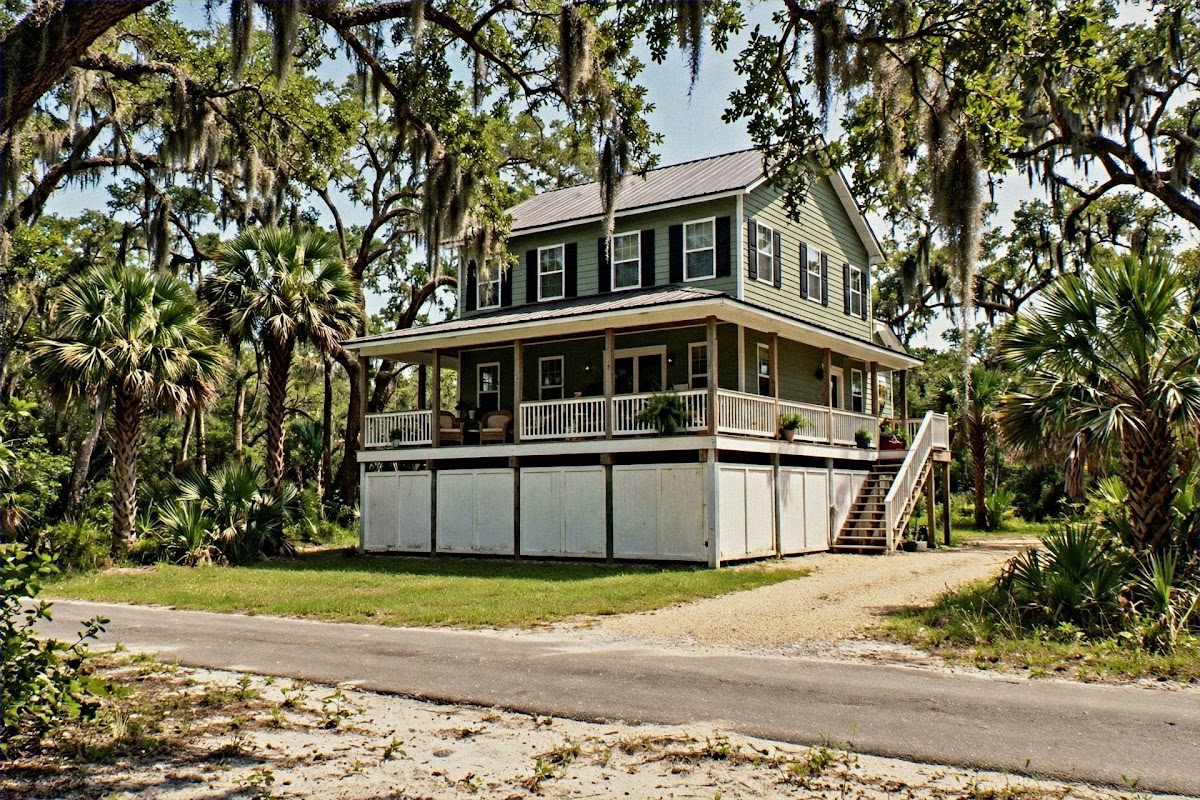
Look Around. This Is Not an Accident.
Take a cart ride around Fripp Island and notice what you don't see. No jarring colors shouting from between the palmettos. No additions that look like they landed from another planet. No lots scraped bare of the trees that make a street feel like a walk in a maritime forest. The island's houses are all different — that's part of the charm — but they belong together, tucked into the landscape instead of sitting on top of it.
That harmony is not luck, and it's not just good taste, though Fripp homeowners have plenty of both. It's the work of the Architectural Review Board — the ARB — and once you understand what it does, you'll be glad it exists every time you ride down your own beautiful street.
What the ARB Actually Is
The ARB is part of FIPOA, the Fripp Island Property Owners Association — the same association that handles the island's roads, Security, and overall upkeep. In plain neighbor terms, the ARB is the group charged with reviewing changes to homes and lots so the island keeps its character as houses get painted, improved, expanded, and loved on over the years.
Think of it less as a permission slip office and more as the keeper of the island's look and feel. New owners agree to the island's covenants and standards when they buy here, and the ARB is how those shared standards get applied fairly, house by house, project by project. Every owner plays by the same rules, which means your neighbor's project gets the same review yours does. That fairness is the whole point.
Your FIPOA owner welcome packet and owner materials introduce the ARB and how it works, and the FIPOA office is the place to get the current guidelines. Start there before you start anywhere else — ideally before you've fallen completely in love with a plan.

The Golden Rule: Ask Before You Start
If you remember one sentence from this article, make it this one: ask before you start.
Not after the deposit is paid. Not when the work crew is available next Tuesday. Not when the paint is already tinted. Before. A quick conversation at the front end of a project is easy, friendly, and free of drama. The same conversation after work has begun can be none of those things — and undoing finished work that was never approved is the kind of expensive heartbreak the golden rule exists to prevent.
When in doubt, ask. The FIPOA office and the ARB process exist precisely so owners can check whether a project needs review and what the current standards are. A project you're sure is too small to matter might need a simple sign-off, and a project you're sure needs a mountain of review might be more straightforward than you fear. Either way, you'll know — and knowing before you start is the whole game.
The Kinds of Projects That Need a Yes First
At the category level, exterior changes are ARB territory. The usual suspects include:
Exterior paint colors. Repainting — especially changing color — is a classic review item. The island's palette works with the landscape, and your color choice becomes part of your street's view.
Additions and structural changes. Adding rooms, expanding decks, enclosing spaces, changing rooflines — if it changes the shape of the house, assume it needs approval first.
Major exterior features. Things like docks and other waterfront structures, significant hardscaping, and other built features that change how a lot looks and functions fall in this family.
Tree removal. Those big live oaks and pines aren't just scenery; they're part of the island's character and canopy. Removing trees — especially large or prominent ones — is a category to check before anyone fires up a saw.
Visible exterior elements. Fences, exterior lighting, roofing changes, and similar visible updates are the kind of thing to run past the ARB rather than assume.
That list is a neighborhood orientation, not the rulebook. The complete, current list of what requires review — and the standards each category is reviewed against — lives with FIPOA and the ARB, and that's where to confirm your specific project before you commit to it.

Why the Process Is Worth It
It's fair to ask: isn't this a lot of fuss over paint? Ride around the island again and answer it yourself. The fuss is why your street looks like a postcard. It's why the house next door, whatever its style, will never be repainted a color that glows in the dark. It's why the canopy over your cart ride survives one owner at a time, decade after decade.
There's a practical upside, too. A community with consistent, enforced design standards protects everyone's property values — including yours. Buyers fall for Fripp's look the moment they cross the bridge, and that look is a shared asset the ARB guards on behalf of every owner on the island. When you follow the process, you're not just getting your project approved. You're doing your shift protecting the thing that made you buy here in the first place.
And honestly? The review conversation often makes projects better. A second set of experienced eyes — eyes that know the island's light, landscape, and building patterns — can catch a drainage issue, a proportion problem, or a color that reads very differently in Lowcountry sun than it did on a chip. Plenty of owners come out of the process with a better house than the one they first imagined.
How Smart Owners Approach a Project
Seasoned Fripp owners follow a simple rhythm. Dream first, on paper — sketches, colors, ideas. Then talk to FIPOA early, while the dream is still flexible, and confirm whether the project needs ARB review and what the current guidelines and process are. Build the ARB's current steps into your timeline from the start rather than bolting them on at the end, and get your approval in hand before contracts, deposits, and start dates get real.
That order — dream, ask, approve, then build — keeps everything pleasant. Your contractor stays happy, your timeline stays honest, and your neighbors stay friendly, because nobody loves a surprise construction project that skipped the island's shared rules.
One more neighborly tip: tell your immediate neighbors what you're planning once it's approved. It's not required by anything except good manners, and on Fripp, good manners are practically a building material.
Welcome to the Island That Looks Like This on Purpose
Every beautiful street on Fripp is a group project, decades in the making, one approved paint color and one preserved oak at a time. Now you're part of the group. So dream big for your house — Fripp owners do, and the island's homes are lovelier for it. Just make the ARB your first call, not your last-minute scramble.
Ask before you start, and you'll never go wrong. That's the Fripp Life way of building: together, on purpose, with the whole gorgeous island in mind.
LIVE THE LIFE!

Get a FREE Fripp Life sticker!
Enter your email to claim your sticker and sign up for island news, events, and discounts.