
The Planters' Hideaway
Sea Island cotton made the fortunes across the water — Fripp Island, off Beaufort, SC, was where the planters came to hunt, fish, and play.
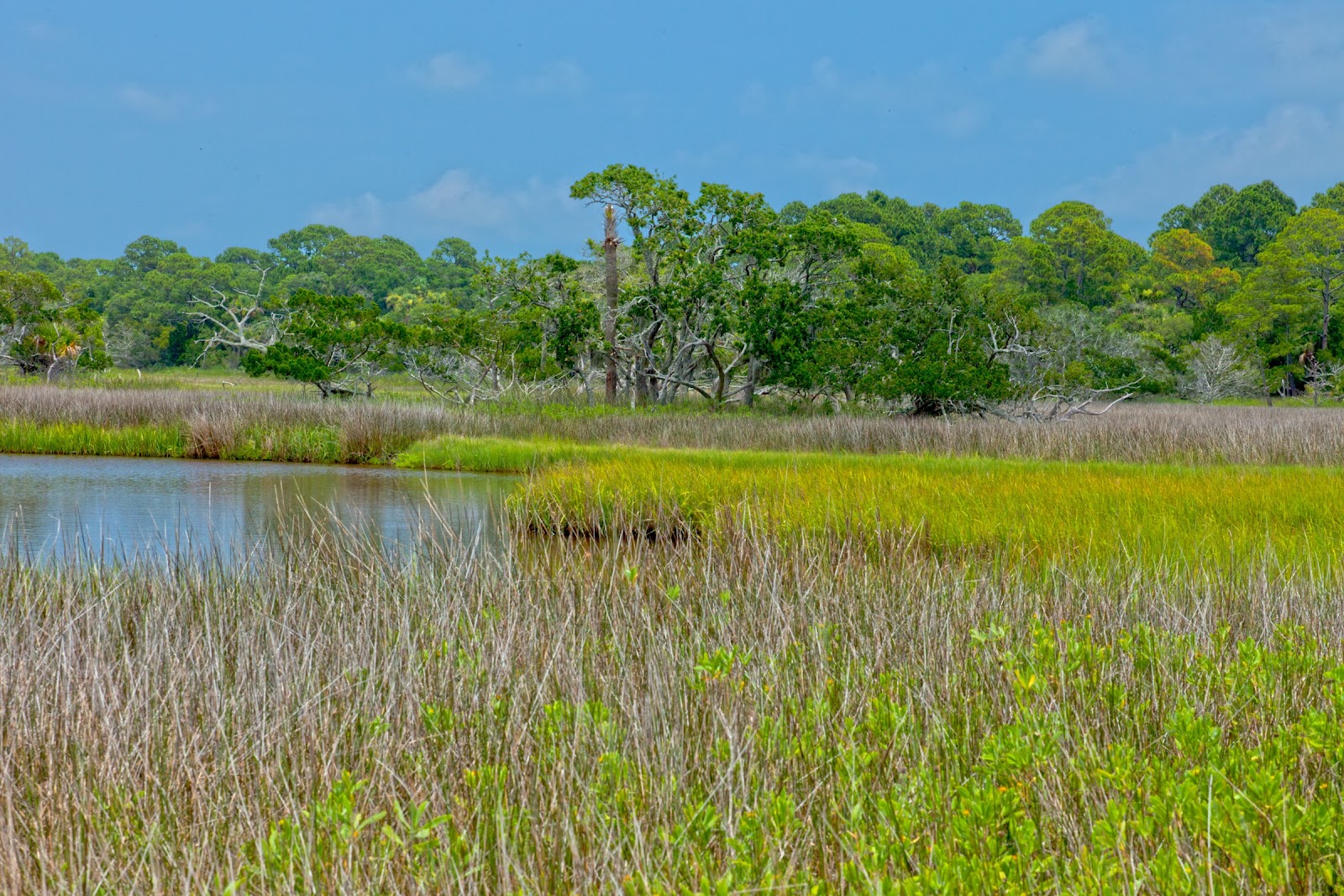
Every island has a first job, and Fripp's was a glorious one: being somebody else's weekend.
Long before the golf carts, the canals, and the deer holding up traffic like they own the place — and friend, they kind of do — Fripp Island spent its days as the private sporting ground of the great planting families of St. Helena Island, just across the water. They had the cotton, the big houses, and the busy plantation world over there. Fripp, wilder and quieter and reachable only by boat, was where they came to get away from all of it.
Sound familiar? It should. That is still the island's whole personality, just with better transportation now.
An island kept wild on purpose
Start with the geography, because geography is destiny out here. Fripp is the most seaward of South Carolina's Sea Islands — some 3,000 acres of maritime forest, marsh, and three miles of beach, sitting out at the edge of everything. That remoteness made it a poor candidate for a town and a perfect candidate for a hideaway.
From the 1700s onward, the island passed through the hands of a series of St. Helena plantation owners, and nearly all of them used it the same way: as a hunting retreat. Deer in the forest. Ducks in the marsh. Fish in the creeks. A boat ride over, a few days of sport, and a boat ride home — leaving the island empty again for the wildlife, which never seemed to mind the arrangement.
Even the island's name kept changing with its owners in those years, wearing the names of the families who held it before it finally settled into the one we all say today. Fripp's identity was never a place you lived. It was a place you escaped to. Hold that thought, because it explains almost everything about the island you'll meet in the rest of this story.
Where the money grew — and where it didn't
Now, the distinction that matters, and we are a little bit proud of it: Fripp was never a cotton plantation island.
Across the water on St. Helena, Sea Island cotton — the long, silky, famously profitable kind — built some of the great fortunes of the antebellum South. That world of big fields and big houses is where the money grew, and it is a world built on the labor of enslaved people, whose descendants' Gullah Geechee heritage and culture grew out of that hard history and live on, strong and celebrated, across the water today. You will meet that story properly in the next chapter, because the war turned it upside down in the best possible way.
Fripp's role in that world was the supporting one, and the lucky one. No grand plantation seat rose here. No town was ever laid out. The planters who could have carved this island into fields chose, instead, to keep it semi-wild — a rich man's sporting ground, visited often and settled never.
That choice, made for the most selfish of reasons — good hunting — turned out to be the island's saving grace. An island nobody plowed is an island whose forest stayed thick, whose marshes stayed whole, and whose beach stayed empty. The Fripp that golfers, beachcombers, and one very confident deer population enjoy today exists because, for century after century, the most powerful people in the neighborhood looked at this place and said: don't build on it. Play on it.
The first draft of Fripp
So call the planters' hideaway what it really was: Fripp's first draft.
The details have changed beyond recognition, of course. The boat ride became a bridge — that story is a few chapters ahead, and it is a doozy. The hunting parties became golf foursomes, the sporting ground became two beloved courses and three miles of sand, and the getting-away-from-it-all is now done in a golf cart with a beach towel in the back.
But the idea? The idea never changed at all. Fripp was an escape in 1750, and Fripp is an escape now. The planters had the right instinct all along — they just had to row a lot harder to enjoy it.
Enjoy it we do. The island today is a designated wildlife sanctuary, home to more than 175 species of birds, and the descendants of the game those long-ago hunting parties chased now wander the fairways at dusk like they pay dues. In a way, they earned it. They were here for the whole story.
What the planters could not have imagined is how their quiet little arrangement would end — not gradually, but all at once, on a November morning in 1861, when the sound filled with ships. That is where the story goes next, and it is the biggest chapter of all.
Next in the story
Ready for the morning everything changed? In November 1861, a Union armada sailed into Port Royal Sound, the planter world vanished almost overnight, and the Sea Islands became the site of one of the most hopeful experiments in American history — years before the rest of the South caught up. It all happened within sight of Fripp's beach.
Chapter 3: The Island at War →Missed the start? Read The Fripp Island Story — the whole story in one read.
Keep Exploring
The Island at War → The Fripp Island Story → The Island That Waited →LIVE THE LIFE!

Get a FREE Fripp Life sticker!
Enter your email to claim your sticker and sign up for island news, events, and discounts.