
There Are Army Tanks on the Ocean Floor 15 Miles From Your Beach Chair
South Carolina has been sinking tanks, personnel carriers, barges, and a 440-foot liberty ship off our coast — on purpose. Meet the artificial reefs, the fish that moved in, and how to get out there.
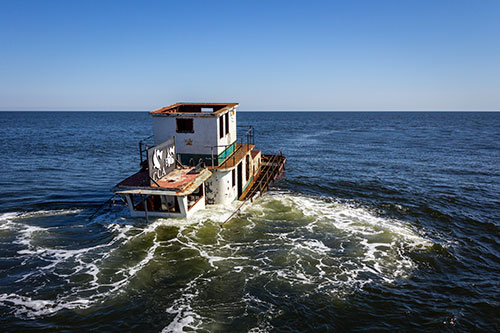
The bottom of the ocean off South Carolina is, to put it kindly, boring. Miles and miles of flat sand. Only about 5 to 10 percent of our continental shelf has the rocky hardbottom that reef fish need — which means the fishing here should, by all rights, be mediocre.
Instead, we cheat. For decades, the SC Department of Natural Resources has been building reefs the direct way: by sinking stuff. Forty-eight permitted sites covering nearly 20 square miles of ocean bottom. And since 1997, the SC National Guard has been in on it, dropping decommissioned armored vehicles — tanks, APCs, the works — at more than 39 sites up and down the coast. Every one of them is now crawling with life.
The Beaufort 45: Our Closest Pile of Tanks
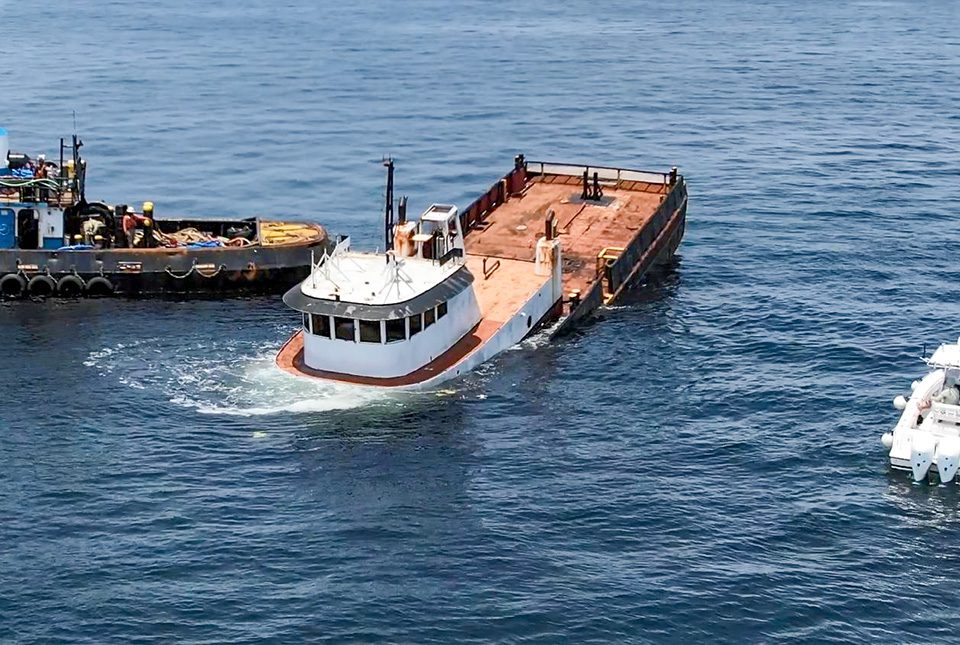
This is the reef that started this whole article — it's the one the National Weather Service name-drops in marine warnings. The Beaufort 45 (PA-42) sits in 45 feet of water about 15 miles out: concrete reef balls, army tanks and armored personnel carriers, a 100-foot deck barge, and rubble from the old Broad River bridge. The “45” is just the depth — that's how South Carolina names these sites.
The Neighborhood
Around it, a whole constellation of sunken treasure:
- Fripp Island Reef (PA-38) — practically in the backyard; structure holding sea bass, sheepshead, and bluefish.
- Hunting Island Reef (PA-40) — 10 miles southeast of Hunting Island; barges, a landing craft, and roughly 30,000 tires.
- General Gordon Reef (PA-41) — a 250-foot steel-hulled sailing vessel on the bottom.
- Parris Island Reef (PA-43) — barges, landing craft, and bridge rubble, marked by four buoys.
- Betsy Ross Reef (PA-44) — 18 miles off Hilton Head in 85 feet of water, home to a 440-foot liberty ship — the single biggest thing ever sunk on any SC reef.
What Lives Down There
Give structure a few seasons and the ocean does the rest. Black sea bass and sheepshead own the reef balls. Flounder hug the sandy edges. Cobia cruise through in spring. King and Spanish mackerel, barracuda, red snapper, and grouper all show up. It's the best bottom fishing within a short run of Fripp, full stop.

How to Fish Them
SCDNR publishes the coordinates for every site — they're public, and your chartplotter will take them straight. Work the structure with bottom rigs, or troll between sites for kings. Plenty of these reefs are diveable, too. Check current SCDNR size and bag limits before you keep anything — the rules change, and the fish aren't going anywhere.
Somewhere out there, 15 miles past the breakers, there's an army tank with a black sea bass living in the turret. That's not a metaphor. That's just fishing off Fripp Island.